
Sanctuary in the Classroom: Calming Corner Ideas for Trauma-Informed Special Education

Sanctuary in the Classroom: Calming Corner Ideas for Trauma-Informed Special Education

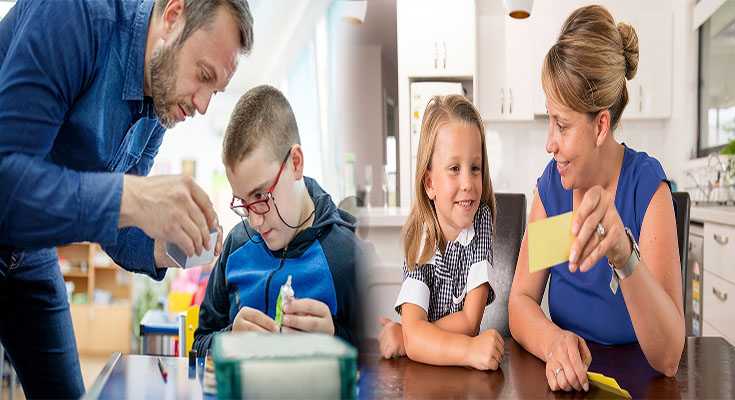
In a special education classroom, where students often arrive with complex needs and backgrounds that may include trauma, creating an environment of safety and regulation is paramount. A calming corner is not merely a timeout space; it’s a strategically designed sanctuary that serves as a vital tool within a trauma-informed approach. It empowers students to self-regulate, process overwhelming emotions, and return to learning feeling secure and in control. Effective calming corners are thoughtfully stocked and consistently integrated into the classroom routine, making them a cornerstone of emotional support.

Why a Calming Corner in a Trauma-Informed Classroom?

Students who have experienced trauma often live in a state of hyperarousal or dysregulation, making it difficult to focus, engage, or learn. A calming corner provides:

  • Predictability and Control: A safe, consistent space where students know they can go to regain control.
  • Sensory Input Regulation: Tools to either calm an overstimulated nervous system

Sanctuary in the Classroom: Calming Corner Ideas for Trauma-Informed Special Education Read More
From Intention to Action: Creating Measurable IEP Goals for Executive Functioning and Task Initiation

From Intention to Action: Creating Measurable IEP Goals for Executive Functioning and Task Initiation

For students with executive functioning challenges, the gap between knowing what to do and doing it—the difficulty with task initiation—can be a major obstacle to academic success. These skills, including planning, organization, and self-regulation, are critical for navigating the increasing demands of middle and high school. When developing an Individualized Education Program (IEP), it’s vital to move beyond general statements and create measurable IEP goals for executive functioning and task initiation that are clear, observable, and trackable.

The Challenge of Measuring Executive Skills

Executive functioning is an internal cognitive process, making it inherently difficult to measure. A goal like “The student will improve their task initiation skills” is too vague. Effective IEP goals must adhere to the SMART criteria: Specific, Measurable, Achievable, Relevant, and Time-bound. They must pinpoint a specific behavior and define the criteria for success.

Key Components of a Measurable Goal

To …

From Intention to Action: Creating Measurable IEP Goals for Executive Functioning and Task Initiation Read More
Day-to-Day Responsibilities and Challenges Faced by Special Education Teachers

Day-to-Day Responsibilities and Challenges Faced by Special Education Teachers

Special education teachers play a vital role in providing individualized instruction and support to students with diverse learning needs and abilities. Their day-to-day responsibilities are multifaceted, involving a range of tasks and challenges as they work to educate and empower students with disabilities. Here, we delve into the day-to-day responsibilities and challenges faced by special education teachers:

Day-to-Day Responsibilities:

  1. Individualized Instruction: Special education teachers design and implement individualized education plans (IEPs) for each student with a disability, tailoring instruction to meet their specific needs and goals.
  2. Collaboration with Support Staff: Special education teachers work closely with paraprofessionals, therapists, and other support staff to ensure that students receive the necessary accommodations and services outlined in their IEPs.
  3. Assessment and Progress Monitoring: Special education teachers assess student progress, conduct evaluations, and monitor growth to track academic and social-emotional development.
  4. Behavior Management: Special education teachers develop behavior intervention
Day-to-Day Responsibilities and Challenges Faced by Special Education Teachers Read More
Strategies for Special Education Teachers to Support Diverse Learning Needs

Strategies for Special Education Teachers to Support Diverse Learning Needs

Special education teachers play a crucial role in ensuring that students with diverse learning needs receive the support and resources necessary to succeed academically. These educators are tasked with implementing specialized strategies and interventions to help students who may require additional assistance due to learning disabilities, cognitive delays, or other challenges. In this article, we will explore effective strategies for special education teachers to support diverse learning needs in their classrooms.

Understanding Individual Learning Profiles

One of the first steps for special education teachers is to understand the individual learning profiles of their students. This involves conducting assessments, gathering information from parents and other educators, and administering any necessary evaluations to identify strengths, weaknesses, and learning preferences. By gaining a comprehensive understanding of each student’s unique profile, teachers can tailor their instructional strategies to better meet the diverse learning needs of their students.

Differentiated Instruction

Differentiated instruction is a key …

Strategies for Special Education Teachers to Support Diverse Learning Needs Read More
Three Kinds Of Personalized Learning

Three Kinds Of Personalized Learning

Personalized learning is a hot topic in education, but if you’re not familiar with the term, it can be hard to understand what it means. Personalized learning refers to methods of teaching and learning that are highly individualized and meet the needs of each student. What does this mean? It means instead of grouping students by age or grade level (or both), teachers can get more information about who their students are as learners so they can design instruction specific to those students’ needs.

Differentiated instruction

Differentiated instruction is a teaching method that aims to meet the needs of all learners in the classroom. It’s an effective way to teach students at different levels and with different learning styles, so they can learn effectively.

Differentiated learning

Differentiated learning is a form of personalized learning that allows students to learn at their own pace. It can also be used to better …

Three Kinds Of Personalized Learning Read More