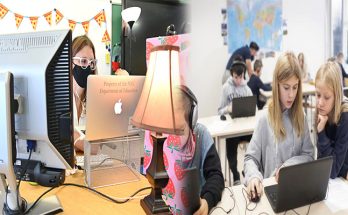

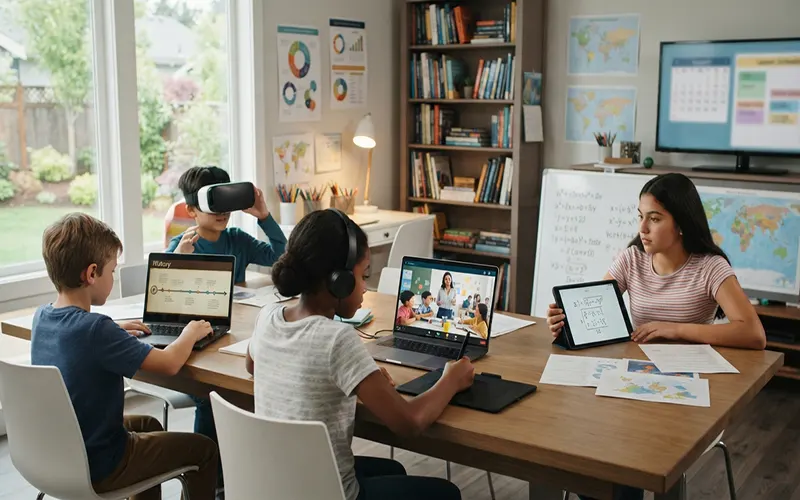
The traditional, one-size-fits-all model of K-12 schooling is undergoing a massive transformation. Across the country, families are increasingly stepping away from physical classrooms in search of learning environments that offer flexibility, safety, and deep personalization. Virtual homeschooling and online education are no longer seen as temporary emergency stopgaps or niche alternatives; they are deliberate, empowering educational choices.
For parents and guardians exploring these pathways, navigating the vast array of virtual public charters, private online academies, and independent curricula can feel overwhelming. Understanding the core options helps families match their children to the ideal digital learning environment.
Understanding the Options: Virtual Public vs. Private vs. Independent Homeschooling
Before diving into specific platforms, it helps to categorize the primary structural pathways available for K-12 remote education:
- Virtual Public Charter Schools: These are state-funded, tuition-free online public schools. They are taught by state-certified teachers and follow strict state academic standards, making them an attractive, cost-free option for families who want public school accountability combined with at-home learning.
- Private Online Academies: These are tuition-based, accredited schools that offer robust, structured curricula. They often feature dedicated faculties, formal transcript management, and recognized college-prep diplomas, offering a private-school experience entirely online.
- Independent Parent-Led Homeschooling: In this model, parents act as the primary facilitators, utilizing curated secular or faith-based online platforms. This path grants maximum schedule flexibility and curriculum control, allowing families to tailor education completely to their child’s unique pacing.
Top Platforms and Curricula for K-12 Online Learning
The digital curriculum market features several leading providers, each catering to different grade levels, learning styles, and levels of parental involvement:
1. Connections Academy & K12 (Best for Virtual Public Schooling)
- The Model: Backed by robust educational networks, these platforms deliver full-time, tuition-free public school options across numerous states.
- Why it stands out: They combine structured online lessons with live, virtual classroom instruction led by certified teachers (such as Connections Academy’s LiveLesson sessions), providing a complete public school experience from home.
2. Time4Learning (Best for Flexible, Self-Paced Learning)
- The Model: A subscription-based, automated online curriculum covering preschool through high school.
- Why it stands out: It offers automated grading, interactive multimedia lessons, and complete schedule flexibility. Parents love it for independent learners because students can work ahead or review concepts without heavy daily parent-teaching requirements.
3. Miacademy / MiaPrep (Best for Engaging, Gamified Mastery)
- The Model: An interactive, highly engaging online platform designed for elementary through high school students.
- Why it stands out: Miacademy incorporates gamified learning modules, video instruction, and broad elective choices (including coding and life skills), making it exceptionally popular for neurodivergent or visual learners.
4. Specialized Live Academies (e.g., bina School)
- The Model: Full-time, accredited virtual schools featuring 100% live, interactive small-group classes.
- Why it stands out: For families who want real-time peer connection and heavy teacher interaction without asynchronous isolation, live-online environments provide robust social-emotional development alongside core academics.
How to Choose the Right Fit and Socialize Remotely
Transitioning kids to a virtual learning model often prompts valid parental concerns regarding socialization, compliance, and structure. Addressing these early ensures long-term success:
- Prioritize Socialization Channels: Virtual learners often thrive socially when parents plug them into local homeschool co-ops, community sports leagues, scouting groups, or specialized clubs (such as Outschool classes).
- Match the Structure to the Child: Highly independent students excel in self-paced asynchronous programs, whereas children who require accountability and peer interaction do better in live, structured virtual classrooms.
- Understand State Compliance: If you choose independent homeschooling rather than a virtual public charter, familiarize yourself with local state or regional notification, attendance, and evaluation laws.
Encouraging Call to Action
Embracing virtual homeschooling or online education allows families to step outside the constraints of traditional zip-code-bound schooling. By customizing an educational framework around your child’s specific learning pace, passions, and needs, you foster a lifelong love of learning.