
The modern educational landscape places a profound emphasis on inclusive learning, individualized attention, and holistic student support. Across K-12 school districts and higher education institutions, classrooms are increasingly diverse, housing students with a wide spectrum of learning styles, neurodivergent traits, and physical or emotional needs. This shift has triggered a massive, nationwide demand for dedicated student support staff.
For job seekers, recent college graduates, and career changers passionate about human services, entering the education sector does not always require an immediate advanced teaching degree or a traditional certification. Entry-level special education and student support roles offer deeply rewarding, high-impact career pathways with tangible opportunities for professional growth.
The Landscape of Special Education and Student Support
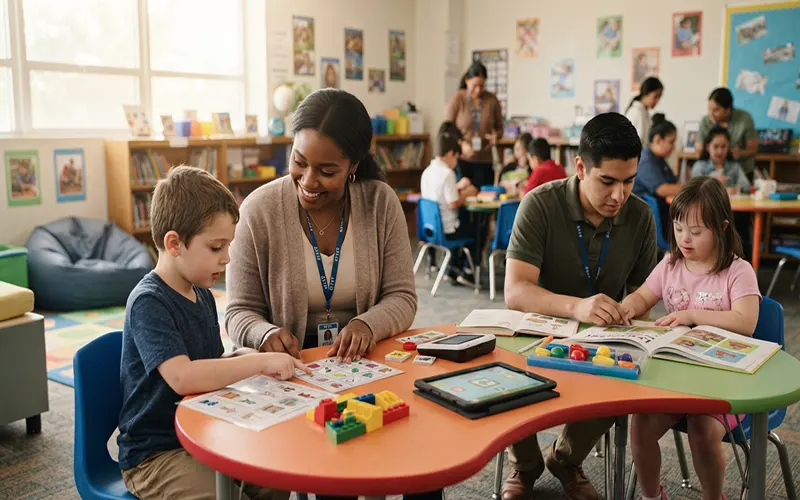
Special education and student support roles form the absolute backbone of inclusive education. While lead classroom teachers manage overall curriculum delivery, support professionals provide the vital one-on-one and small-group scaffolding that ensures every child—regardless of their learning differences—can access education equitably.
Working in these roles offers profound personal and professional rewards:
- Direct, Meaningful Impact: You witness breakthroughs firsthand, helping a struggling student master a concept, regulate their emotions, or gain independence.
- Skill Acquisition: Working closely with special educators and school psychologists builds transferable skills in behavioral management, patience, empathy, and crisis de-escalation.
- A Gateway to Advanced Careers: Many educational leaders, speech pathologists, school counselors, and special education teachers begin their journeys in entry-level support roles.
Top Entry-Level Roles to Explore
If you are looking to enter the field without a specialized teaching license, several high-demand roles serve as ideal starting points:
1. Special Education Paraprofessional / Instructional Aide
- The Role: Paraprofessionals work alongside certified special education teachers inside general and resource classrooms. Duties include assisting individual students with academic tasks, reinforcing behavioral plans, and adapting learning materials.
- Why it fits beginners: Most positions require only a high school diploma or an Associate’s degree, making it an accessible entry point into school districts.
2. Student Support Specialist
- The Role: Working in K-12 schools or university student services departments, support specialists help coordinate accommodations, manage attendance or resource tracking, and act as an advocate for students facing academic or personal hurdles.
- Why it fits beginners: A strong background in customer service, human resources, or general administration can easily translate into this organizational role.
3. Registered Behavior Technician (RBT)
- The Role: RBTs implement Applied Behavior Analysis (ABA) interventions under the direct supervision of a Board Certified Behavior Analyst (BCBA), working primarily with students on the autism spectrum to build communication and social skills.
- Why it fits beginners: While certification requires completing a specific 40-hour training course and passing an exam, many clinics and schools hire candidates with a high school diploma and sponsor their training.
4. Life Skills Coach / Transition Coordinator Assistant
- The Role: Focusing heavily on older students or young adults with developmental disabilities, these professionals teach practical daily living skills, vocational tasks, and community navigation to prepare students for post-school independence.
- Why it fits beginners: Ideal for individuals with backgrounds in youth work, caregiving, or social services.
Qualifications, Certifications, and How to Break In
Breaking into special education support roles relies less on formal education degrees and more on interpersonal competence and basic compliance credentials:
- Educational Requirements: Many positions require a high school diploma or GED, while some school districts or specialized therapeutic schools prefer an Associate’s degree or relevant coursework in psychology or education.
- Certifications: Basic life safety credentials—such as CPR and First Aid certification—along with specialized training like RBT certification or Crisis Prevention Institute (CPI) training, will instantly elevate your resume.
- Resume Strategy: Highlight patience, active listening, reliability, and any past experience working with children, volunteering, or caregiving.
Empowering Call to Action
Stepping into special education and student support is more than just taking a job; it is entering a vocation rooted in advocacy, empathy, and human connection. Whether you view these roles as a lifelong career in student advocacy or as a stepping stone toward becoming a fully certified special education teacher, your work will profoundly alter the trajectory of a student’s life.