
Finding Wisdom: The Best Secular Classical Homeschool Curriculum for Elementary Students

Finding Wisdom: The Best Secular Classical Homeschool Curriculum for Elementary Students

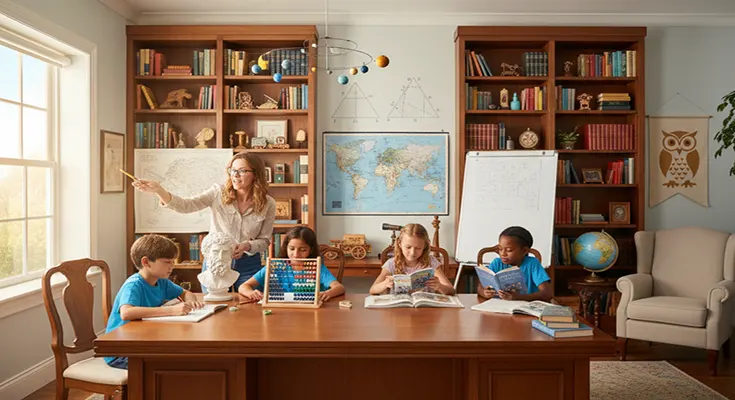
The Classical Education model—built upon the Trivium (Grammar, Logic, Rhetoric) and the pursuit of wisdom and virtue—is highly sought after by homeschoolers. However, many of the most well-known curricula rooted in this tradition incorporate religious instruction. For families seeking the intellectual rigor and chronological structure of this approach without religious content, finding the best secular classical homeschool curriculum for elementary students requires careful selection. The goal is to retain the focus on language arts, history as the core, and memorization, while prioritizing neutrality and critical thinking.

The Secular Classical Imperative

A secular classical curriculum for the elementary (Grammar) stage must still focus on the mastery of foundational facts, rules, and vocabulary. Elementary students, who are naturally “parrot-like” and enjoy recitation, build the historical and linguistic “tools” they will analyze later.

Key characteristics of an ideal secular program include:

  • Chronological History: Starting with Ancients and progressing linearly, tying other subjects to
Finding Wisdom: The Best Secular Classical Homeschool Curriculum for Elementary Students Read More
Sanctuary in the Classroom: Calming Corner Ideas for Trauma-Informed Special Education

Sanctuary in the Classroom: Calming Corner Ideas for Trauma-Informed Special Education

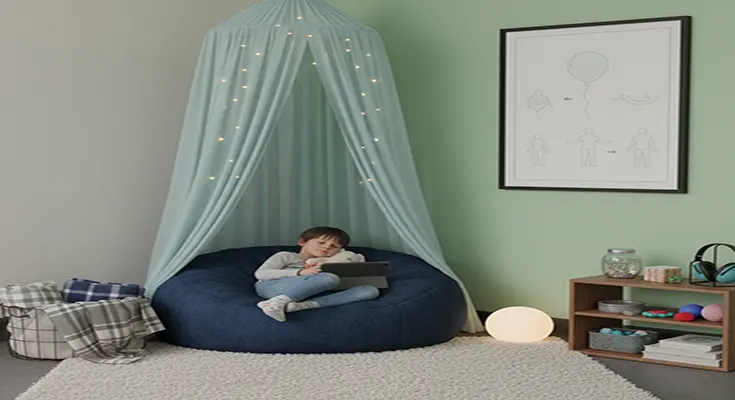
In a special education classroom, where students often arrive with complex needs and backgrounds that may include trauma, creating an environment of safety and regulation is paramount. A calming corner is not merely a timeout space; it’s a strategically designed sanctuary that serves as a vital tool within a trauma-informed approach. It empowers students to self-regulate, process overwhelming emotions, and return to learning feeling secure and in control. Effective calming corners are thoughtfully stocked and consistently integrated into the classroom routine, making them a cornerstone of emotional support.

Why a Calming Corner in a Trauma-Informed Classroom?

Students who have experienced trauma often live in a state of hyperarousal or dysregulation, making it difficult to focus, engage, or learn. A calming corner provides:

  • Predictability and Control: A safe, consistent space where students know they can go to regain control.
  • Sensory Input Regulation: Tools to either calm an overstimulated nervous system
Sanctuary in the Classroom: Calming Corner Ideas for Trauma-Informed Special Education Read More