

The Impact of the Secretary of Education's Policies on Public Schools

The Impact of the Secretary of Education’s Policies on Public Schools

The role of the Secretary of Education in the United States holds significant influence over the policies and regulations that shape the public education system. The policies put forth by the Secretary of Education have a profound impact on public schools, affecting students, teachers, administrators, and the overall quality of education in the nation.

One key area where the Secretary of Education’s policies have a direct impact is in the allocation of funding to public schools. By determining the federal budget for education and distributing funds to various programs and initiatives, the Secretary plays a crucial role in shaping the resources available to public schools. This can impact the availability of educational materials, technology, infrastructure, and support services for students and educators.

Additionally, the Secretary of Education’s policies often shape the approach to curriculum and educational standards across the country. Through initiatives such as standardized testing, accountability measures, and curriculum …

The Impact of the Secretary of Education’s Policies on Public Schools Read More
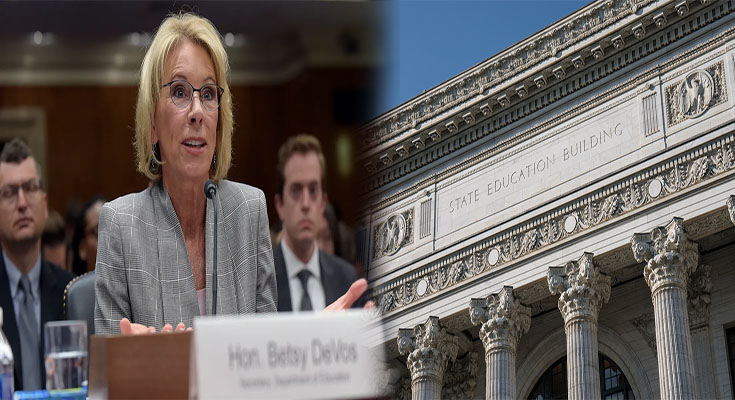
Understanding the Current Responsibilities and Role of the Secretary of Education

Understanding the Current Responsibilities and Role of the Secretary of Education

The Secretary of Education is a crucial member of the Presidential Cabinet who plays a major role in shaping the national education policy and ensuring access to quality education for all. The person appointed to this position is responsible for overseeing and executing various responsibilities that have a direct impact on the education system of the country. In this article, we will delve into the current responsibilities and role of the Secretary of Education.

Overview of the Secretary of Education

The Secretary of Education is a high-ranking member of the executive branch of the federal government. Appointed by the President, the Secretary serves as the principal advisor to the President on all matters related to education policy. The Secretary of Education holds significant influence over education policies and programs at all levels, including early childhood education, K-12, higher education, and vocational education.

Key Responsibilities of the Secretary of Education

1.

… Understanding the Current Responsibilities and Role of the Secretary of Education Read More
Teaching Jobs In Early Childhood Education

Teaching Jobs In Early Childhood Education

Early childhood education (ECE) is the field of teaching and caring for children up to age 5. It’s a great way to make an impact on the future generation by helping them grow and develop in many ways. If you’re interested in becoming an early childhood teacher, here are some of the most common jobs you can find in this field:

Early Childhood Education Teacher

An early childhood education teacher is a professional who helps children develop the skills and knowledge they need to be successful in school and life.

The requirements to become an ECE teacher vary by state, but they typically include:

  • A bachelor’s degree from an accredited college or university in early childhood education or related field like child development or psychology, plus coursework on topics such as child growth and development, health and safety issues, classroom management techniques, curriculum planning methods or learning theories (e.g., Piagetian
… Teaching Jobs In Early Childhood Education Read More
Why Early Childhood Education Is Valuable

Why Early Childhood Education Is Valuable

The first five years of a child’s life are crucial to their development. They lay the foundation for everything else they will learn in the future and form their character. Early Childhood Education, also known as ECE or preschool, is a vital part of this process. The goal of ECE is to provide children with cognitive, social and emotional benefits that will help them succeed both academically and personally later on in life. If you’re thinking about enrolling your little one in ECE classes or have questions about how your child’s education compares to primary school then read on!

The Importance of Early Childhood Education

Early childhood education is important for a child’s development. It can help them develop social skills, language skills and math skills. It also gives them the opportunity to learn problem solving skills.

ECE has been shown to improve academic achievement in elementary school; this effect …

Why Early Childhood Education Is Valuable Read More
Lies About Special Education Eligibility and 6 Approaches to Overcome Them!

Lies About Special Education Eligibility and 6 Approaches to Overcome Them!

Are you the parent of a young kid who thinks that their youngster might have autism? Do you feel your child’s reading difficulty can be connected to a finding out disability? Have you attempted to possess your youngster tested for special education eligibility as well as your school district mentioned no? This short article will go overlies which might be related to special education eligibility and 6 methods to overcome the lies for the good of one’s kid.

Lies Connected With Special Education Eligibility:

1. We will test your child but we get to pick the tests, plus the areas to become tested. The Individuals with Disabilities Education Act (Idea) states that parents should give informed consent for testing (and to offer informed consent the parent need to know areas to be tested and what tests are going to be performed) and that the youngster is to be tested in …

Lies About Special Education Eligibility and 6 Approaches to Overcome Them! Read More