
High school is a pivotal time, marked by rapid change, academic pressure, and complex social dynamics. For many students, this period also brings significant mental health challenges. Addressing these issues with traditional, passive lectures often falls short. The most effective approach is to implement interactive mental health awareness lesson plans that engage students directly, destigmatize the conversation, and equip them with practical coping skills. The goal is not just to inform, but to empower. A successful high school lesson plan must move beyond defining terms and dive into relatable scenarios and actionable strategies.
Three Pillars of an Effective Interactive Lesson
A truly impactful mental health curriculum must prioritize three core components:
1. Destigmatization Through Shared Experience
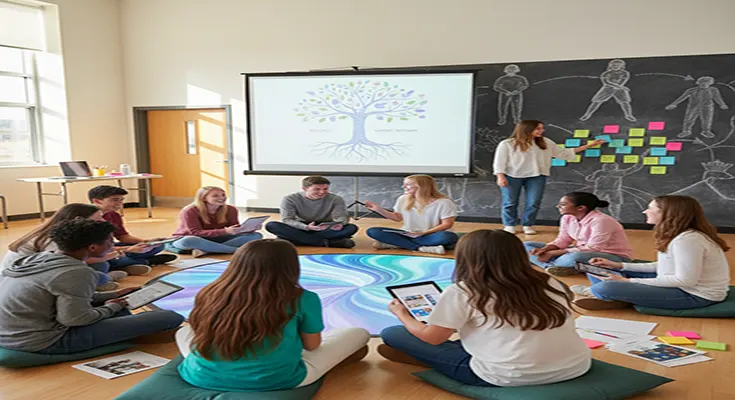
Interactive lessons create a safe, judgment-free space for dialogue. Instead of a teacher merely listing statistics, students engage in activities like “Myth vs. Fact” quizzes or utilize anonymous Q&A boxes where they can submit questions about anxiety, depression, or stress without fear of judgment. A powerful exercise involves scenario-based role-playing where students practice how to effectively respond to a peer who is struggling, learning to listen actively and validate feelings. This hands-on approach shifts the perception of mental illness from a shameful secret to a common, manageable human experience, building empathy and breaking down stigma within the student body.
2. Skill-Building: The Resilience Toolkit
Awareness alone is insufficient without practical skills. Interactive lessons dedicate crucial time to teaching concrete emotional regulation and stress management techniques. This might include a guided “Mindfulness Minute” session where students learn simple deep-breathing exercises, followed by a discussion on the physiological impact these techniques have on the nervous system. Other activities could focus on distinguishing between healthy coping mechanisms (like exercise, journaling, or talking to a trusted adult) and destructive ones. Students could create a personalized “My Stress Relief Menu,” which they can use as a quick reference when feeling overwhelmed. This component ensures students leave the session with immediate, applicable tools.
3. Identifying and Accessing Support
Crucially, students must know when and how to seek professional help. An interactive lesson can feature a “Support Scavenger Hunt,” where students are tasked with identifying all available mental health resources both within the school (counselors, school psychologists, peer support programs) and in the wider community (crisis hotlines, local clinics). The activity should culminate in creating a clear, simple “3-Step Action Plan” for helping a peer: 1. Acknowledge and Listen without judgment, 2. Express Concern and Validate their feelings, and 3. Connect them to an Adult/Resource. By making the process of seeking help clear, accessible, and less intimidating, students are more likely to utilize these vital services.
The Lasting Impact
By utilizing interactive mental health awareness lesson plans, schools move from a reactive stance—addressing mental health crises as they happen—to a proactive, preventative model. Students who are actively involved in learning about emotional regulation, stress management, and support systems are better equipped to navigate the intense social, academic, and personal pressures of high school and beyond. These lessons are not just about clinical mental health; they are about fostering empathy, building a culture of community support, and ultimately, cultivating a generation of resilient and emotionally intelligent young adults.